Fence Installation Tips to Boost Property Value
Fence installation plays a practical and financial role in how a property is perceived and valued over time. It directly influences curb appeal, privacy, and the overall structure of outdoor space in a way that both homeowners and potential buyers notice immediately. A well-designed fence can make a property feel more complete, organized, and secure, which often translates into stronger market appeal. When planned correctly, it becomes a long-term upgrade that supports both everyday function and future resale potential, rather than just serving as a basic boundary feature.
A strong fence installation approach does more than define property lines. It helps shape how outdoor areas are used, organized, and experienced, whether for privacy, safety, or leisure. At the same time, it contributes to the overall visual balance of the home by complementing landscaping and architectural style. The decisions made during planning — such as material, height, and layout—directly influence maintenance requirements, long-term durability, and how the property is ultimately perceived. These choices determine whether the fence blends naturally into the space or stands out as a key design and value-enhancing feature.
Choosing the Right Material
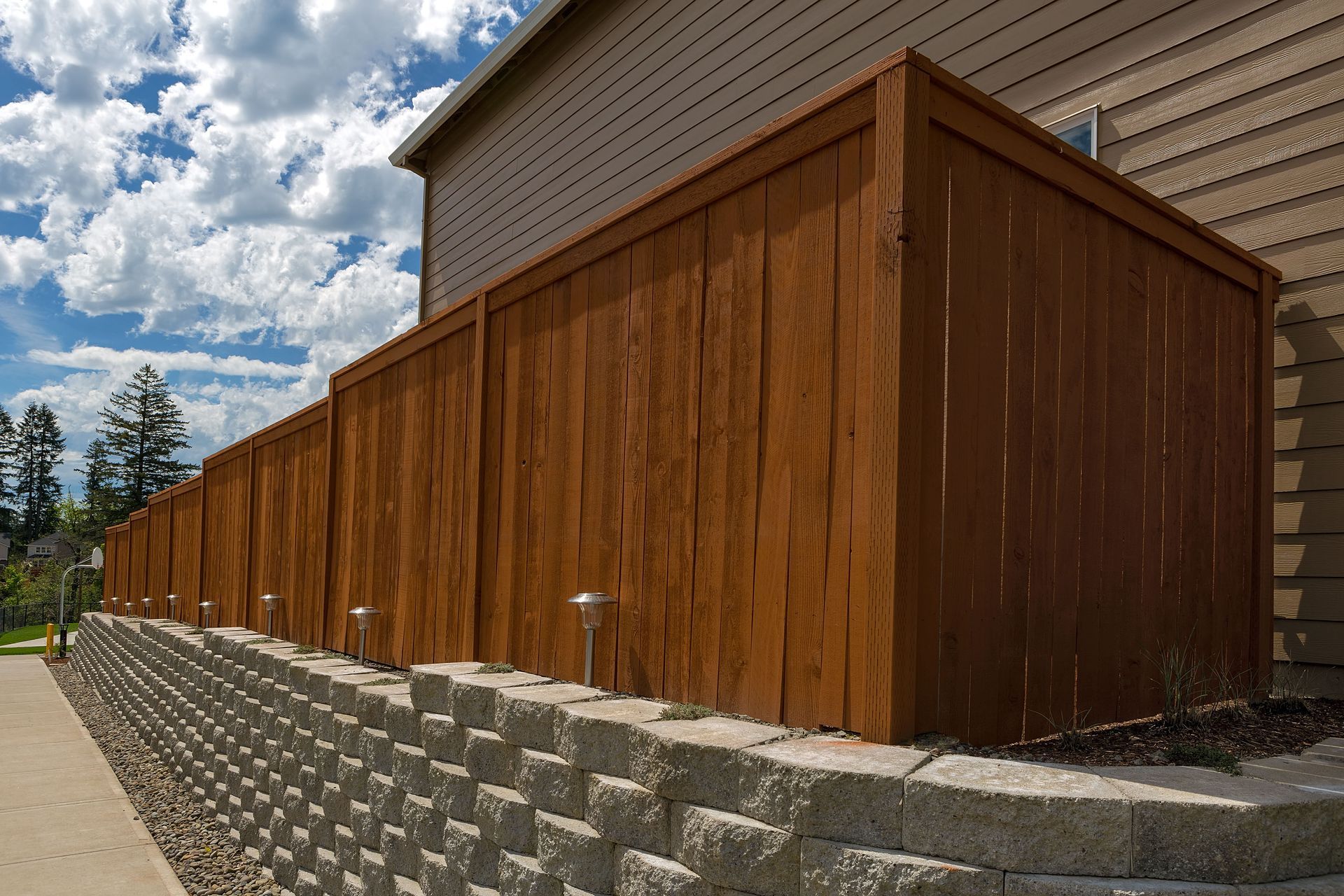
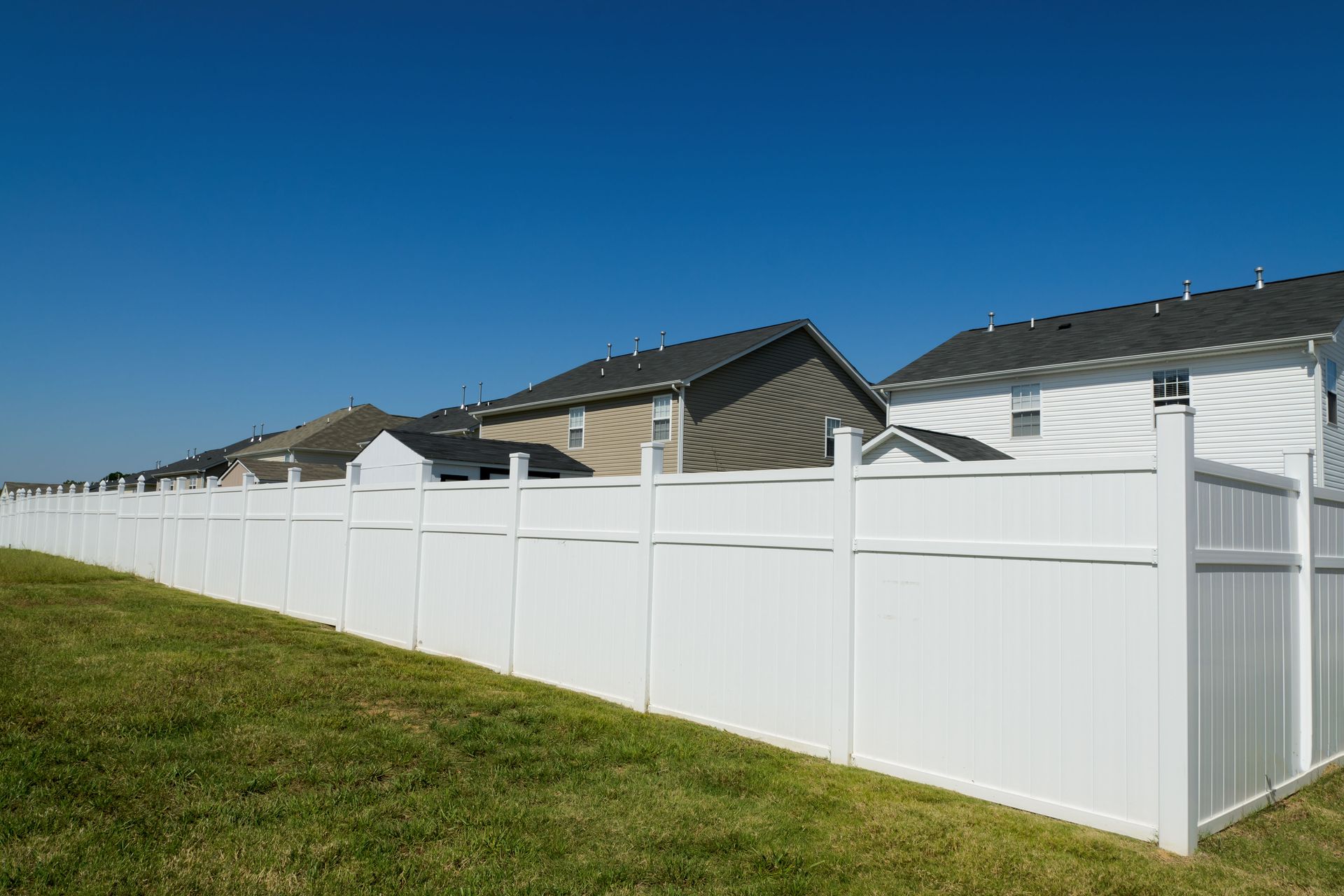
Material selection is one of the most important decisions because it impacts durability, maintenance, and long-term value. Each option brings different strengths depending on climate, budget, and design goals. Homeowners typically balance appearance with practicality to find the right fit. Wood fencing is valued for its natural look and flexibility in design. It can be customized easily, but it requires ongoing maintenance like staining or sealing to prevent weather damage. Vinyl is often chosen for its durability and low upkeep, making it a practical long-term option.
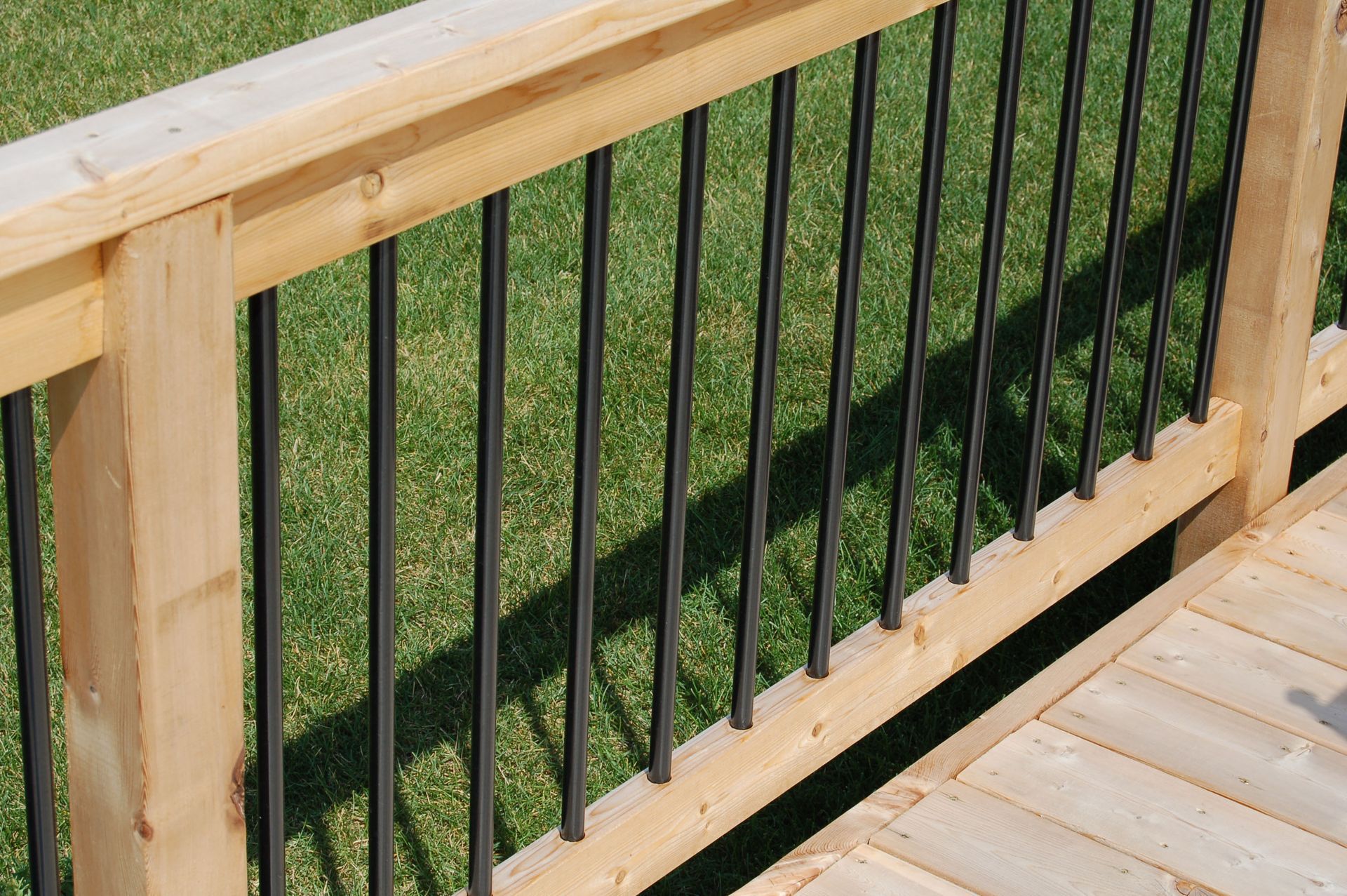
Metal fencing provides strength and security, which can positively influence property perception. Composite and bamboo options appeal to homeowners looking for sustainability and modern aesthetics. Each material choice affects long-term performance and how the structure integrates with the home’s exterior environment. Wood also varies significantly in quality, and selecting higher-grade lumber can reduce warping and extend lifespan. Vinyl options today include reinforced designs that improve resistance to impact, while composite materials continue to evolve with better UV protection and color retention. These small differences often determine how well the structure holds up over time with minimal intervention.
Understanding the Local Regulations and Codes
Before starting any project, it is important to understand local zoning rules and permit requirements. These regulations determine where structures can be placed and how tall they can be. Ignoring them can lead to delays or required changes after work begins. HOA guidelines may also influence design choices such as color, material, and structure.
These rules are often in place to maintain neighborhood consistency and property standards. Working within them helps avoid penalties and ensures smoother project approval. Height restrictions and property line setbacks are also common requirements. These rules help maintain visibility and prevent disputes with neighbors. Proper planning ensures compliance with all legal and community expectations.
Designing the Property Aesthetics
Design decisions play a major role in how outdoor boundaries affect curb appeal and usability. The structure should complement the home’s architecture while supporting privacy and security needs. When done well, it becomes a natural extension of the property. Color and finish choices influence how noticeable or blended the structure appears within the landscape.
According to Houston Agent Magazine, 26% of surveyed homeowners reported adding a privacy screen to their fence, showing how privacy features are increasingly part of design decisions. This highlights how both function and appearance shape modern fencing trends. Landscape integration also improves overall presentation by connecting boundaries with outdoor elements. Plants, lighting, and layout coordination help create a unified space. Functional features like gates and privacy panels further enhance usability and value.
Budgeting With the Cost Planning and Installation Planning
Budgeting involves more than material costs alone. Labor, permits, and long-term maintenance all contribute to the total investment. Planning ahead helps avoid unexpected expenses during the project. Material selection strongly influences cost, with wood generally being more affordable upfront and vinyl or metal offering longer-term savings. Professional setup increases upfront cost but often improves durability and finish quality. Terrain and design complexity can also affect labor requirements.
It is also important to account for unexpected adjustments during the build phase, such as soil issues or minor layout changes. These small variables can affect both time and total cost if not anticipated early. Setting aside a contingency budget helps maintain control over overall spending and reduces stress during execution. Maintenance should also be considered when planning a budget. Some materials require regular treatment, while others need only basic cleaning. Factoring in long-term upkeep ensures the investment remains financially sustainable.
Installing the Fence Systems and Structures
Proper execution is critical to ensuring long-term performance. Accurate measurements and layout planning help prevent alignment issues. Preparation also includes clearing the site and evaluating ground conditions. Post setting is one of the most important steps in the process.
Posts must be secured firmly, often with concrete, to ensure stability. Allowing proper setting time before attaching panels improves structural strength. Panel alignment must be carefully checked during installation. Even small errors can affect both appearance and durability. Weather conditions may also influence timing and execution quality, making planning essential.
Maintaining the Care and Longevity
Ongoing maintenance helps preserve results and extends lifespan. Regular cleaning prevents buildup of dirt and organic growth that can affect appearance. This keeps the structure looking well maintained year-round. Protective treatments such as sealing or rust prevention help reduce long-term damage. Wood, metal, and other materials each require different care routines. Routine inspections help identify issues early before they become costly repairs.
Seasonal changes can impact performance, especially in areas with shifting temperatures. Expanding or contracting materials may require minor adjustments over time. Establishing a simple maintenance schedule helps ensure stability and consistent appearance throughout the year. Even small upkeep habits, such as clearing debris from the base and checking fasteners, can significantly extend overall durability.
Evaluating the Value and Performance
Evaluation involves both function and appearance. A well-built structure should improve privacy, security, and overall property presentation. These factors all influence buyer perception and long-term value. From a market perspective, it can increase appeal when it aligns with local expectations. Durable materials and consistent upkeep strengthen this effect. Buyers often view it as a completed upgrade that adds convenience. Over time, homeowners may adjust or upgrade elements to meet changing needs. Flexible design and strong foundations make these updates easier. This helps maintain property value over time.
Fence installation delivers long-term benefits when planned with both function and design in mind. Each stage, from material selection to proper installation and ongoing maintenance, contributes to overall performance, durability, and long-term property value. When executed correctly, it becomes more than a boundary feature, serving instead as a structural and visual upgrade that enhances everyday use, improves privacy, and strengthens curb appeal. These combined benefits also play a role in increasing resale potential over time, especially when materials and design align with the surrounding property and neighborhood standards.
For homeowners seeking dependable results and professional service, Able Fence LLC provides a practical option for quality-focused fence installation tailored to long-term property needs. Working with experienced professionals helps ensure proper planning, accurate execution, and lasting performance that reduces future maintenance issues. This approach supports a more efficient installation process while helping homeowners achieve a finished result that remains functional, durable, and visually consistent for years.

Share On: