
Repair or Replace? How to Tell When You Need a New Fence
Property boundaries provide essential security and privacy for homeowners. Over time, fences endure harsh elements, shifting soil, and general wear. Wood rots, metal rusts, and vinyl cracks under sun exposure. Sooner or later, every homeowner faces a crucial decision regarding their perimeter barrier. Knowing whether to patch minor issues or tear down the entire structure requires deep thought. Making the right choice saves money and prevents future headaches.
Evaluating the condition of an aging fence takes effort. Some damage appears cosmetic, while other issues compromise core stability. An experienced fence contractor can offer guidance, but homeowners should understand the basics of structure degradation. Recognizing key indicators helps property owners make informed decisions before small problems escalate. A simple visual inspection reveals underlying problems hidden beneath vines or overgrown grass.
Examining the Signs of Structural Failure
Leaning posts indicate severe problems beneath the yard surface. The posts serve as the foundational anchor for the entire barrier. When they begin to tilt, the structure loses stability and becomes a safety hazard. Moisture in the ground rots wooden bases, while shifting earth dislodges concrete footings. A slight lean might seem harmless at a glance, but it warns of imminent collapse under stress.
Replacing individual posts requires significant labor and landscape disruption. Digging out old concrete and setting fresh material ruins the surrounding turf. A skilled fence contractor handles this task with proper tools, yet the expense adds up with each repair. If multiple sections sag, spot fixes become impractical and inefficient. Extensive leaning suggests the need for a complete replacement to guarantee optimal safety.
Broken panels and detached rails also signal systemic structural failure. Fasteners rust, losing their grip on heavy materials over changing seasons. Wood warps under the hot sun, pulling nails away from the supporting framework. Reattaching loose boards works for minor gaps, but split rails demand structural changes. A compromised frame cannot support the heavy weight of the attached vertical pickets.
Homeowners must test the rigidity of the framework with a gentle push along the top rail. Pushing against a section should yield minimal movement. Noticeable swaying indicates weakened joints or failing metal brackets. Insect damage accelerates this deterioration, turning solid wood into hollow shells. Termites devour the core, leaving the barrier incapable of withstanding strong winds or basic physical impacts.
Weighing the Expense of Continual Maintenance
Routine upkeep preserves the lifespan of fences. Homeowners scrape away peeling paint, apply fresh stain, and hammer loose nails back into place. These chores maintain visual appearance and prevent accelerated decay. However, aging materials demand increasing attention as seasons change. The time spent on maintenance multiplies as the barrier degrades, turning occasional tasks into constant weekend burdens.
Material costs for continual patching escalate over the passing seasons. Buying fresh pickets, heavy brackets, and paint jars strains household budgets month after month. A minor repair seems inexpensive in isolation, requiring just a quick trip to the hardware store. Yet, a series of minor fixes surpasses the price of a brand-new installation. Homeowners must calculate these ongoing expenses.
Time investment remains another critical factor in this equation. Weekend projects consume free hours that families could spend relaxing or entertaining guests. Installing a vast expanse of material takes massive effort. According to Bob Vila, it takes around 20 to 35 hours to install a fence that is 150 to 200 feet long. Tackling small repairs week after week matches that massive labor commitment.
Consulting a local fence contractor helps clarify the financial reality of property upkeep. Professionals provide comprehensive estimates for a complete replacement versus ongoing piecemeal patching. Comparing these quotes illuminates the most logical path for long-term savings and property enhancement. When recurring repair bills approach the cost of new materials, tearing down the old structure becomes the smart choice.
Considering the Appeal of Property Aesthetics
Curb appeal dictates the perceived value of residential real estate markets. A sagging, discolored fence creates a negative impression on passersby and arriving guests. Neighbors notice peeling paint, rusted hardware, and missing boards. Potential buyers judge a home based on its exterior appearance before stepping inside. An eyesore detracts from pristine landscaping, beautiful architecture, and manicured lawns, dragging down the overall property aesthetic.
Mismatching materials ruin visual harmony along the extensive property line. Patching a cedar section with pine creates an obvious contrast in texture and color. Faded sections stand out against fresh replacements, highlighting the patchwork nature of the ongoing repair. Maintaining uniform color across an aging enclosure proves impossible over extended periods. Wood absorbs stain in unpredictable ways depending on its age and weathered condition.
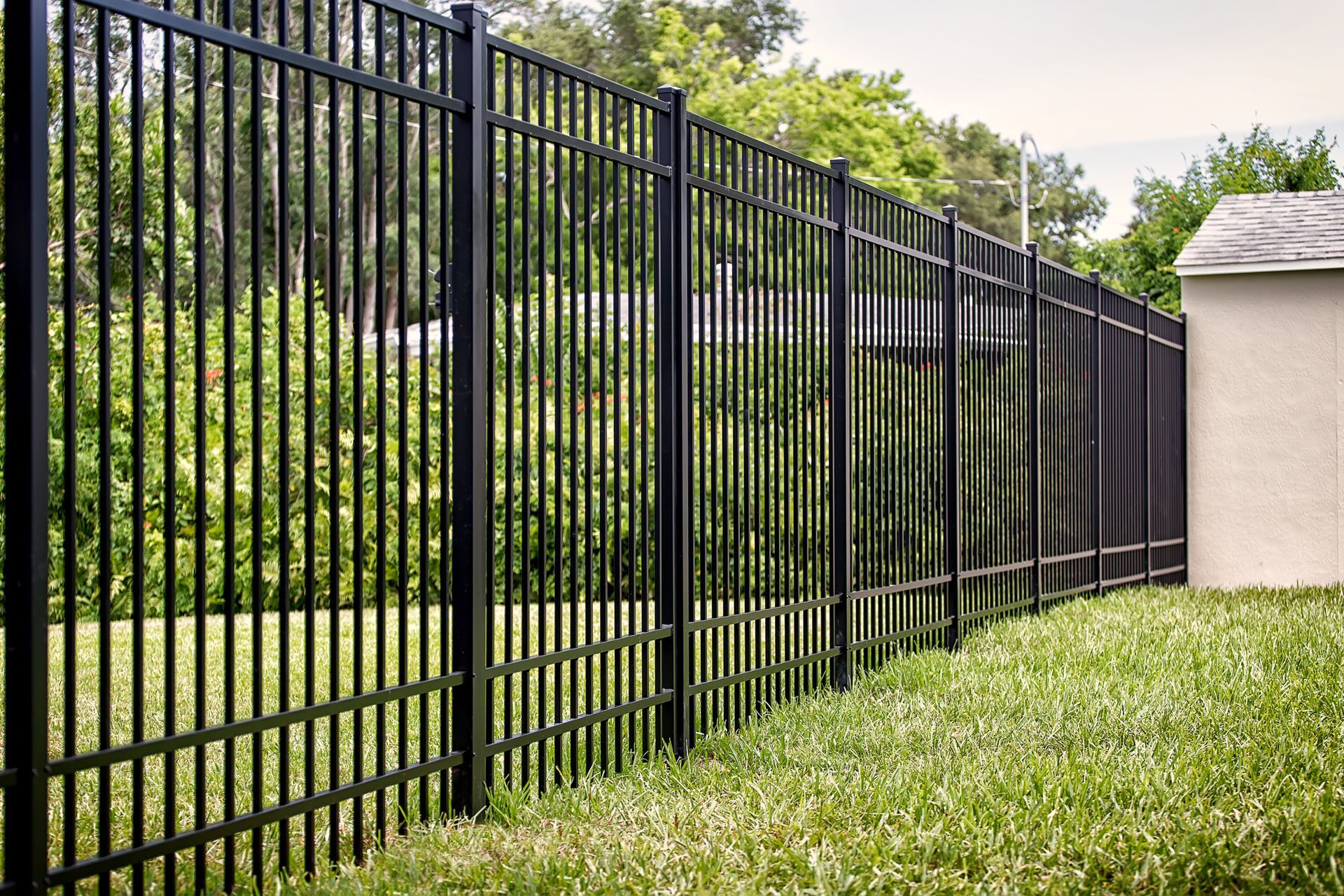
Upgrading the fence elevates the entire neighborhood aesthetic while boosting homeowner pride. Modern materials offer sleek lines, distinct textures, and rich, enduring colors. Vinyl provides a clean look with minimal upkeep, while ornamental iron adds lasting elegance to the yard. A reputable fence contractor suggests designs that complement the primary house style. Fresh installations enhance architectural features, creating harmony with outdoor living spaces.
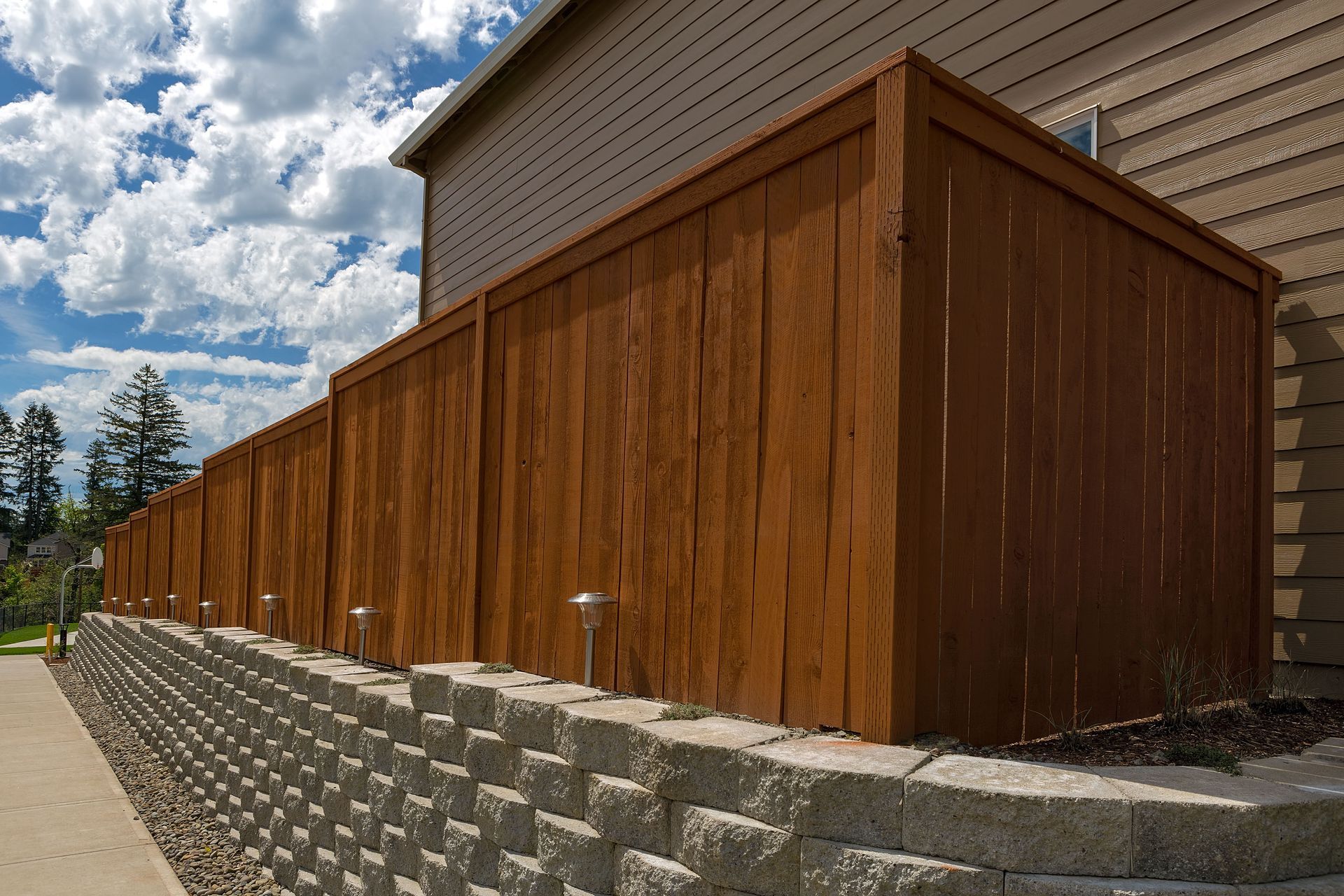
Sometimes, residential needs evolve beyond simple visual aesthetics and basic boundaries. Families adopt large dogs, build swimming pools, or desire enhanced privacy from passing street traffic. A short picket fence fails to block noise or contain active pets. Upgrading to a taller, solid design solves these specific lifestyle changes and enhances backyard security. Functionality and beauty merge in a well-designed replacement.
Anticipating the Impact of Severe Weather
Mother Nature tests the endurance of exterior property installations throughout the changing seasons. High winds, heavy snow, and driving rain assault fences without mercy. Weak, rotting structures succumb to these relentless forces, posing a danger to nearby landscaping and outbuildings. Hiring a competent fence contractor ensures a strong defense against incoming storms. Proper installation techniques prevent dangerous wind lift.
Strong gusts expose the hidden vulnerabilities of older, neglected installations. Rotting bases snap under the intense pressure of a violent gale or sudden downdraft. Solid panels act like giant sails, catching the wind and stressing the supporting wooden joints. Replacing an entire side after a catastrophic storm brings immense stress to families and property managers. Proactive upgrades prevent these sudden emergency scenarios.
Persistent moisture wreaks havoc on traditional building materials. Rainwater seeps into unprotected joints, fostering destructive mold growth and creeping wood rot. Freezing temperatures cause wet wood to expand and shatter from the inside out. Metal components suffer from progressive oxidation, developing rust spots that eat through thick steel rails. Modern materials resist these elemental attacks with greater success, surviving harsh, wet seasons intact.
Evaluating the local climate guides proper material selection for durable fences. Homeowners in damp, humid regions might choose vinyl or aluminum to combat constant rot. Those facing intense, beating sun need UV-resistant coatings to prevent fading and cracking. Planning for the environment extends the lifespan of the property investment. A fresh installation built for specific weather conditions outperforms a patched, vulnerable structure.
Deciding between patching and rebuilding challenges many residential property owners year after year. Cosmetic flaws, missing nails, and minor gaps warrant simple fixes with basic hand tools. Severe leaning, extensive rot, and escalating maintenance costs demand complete, professional replacement. Partnering with a reliable fence contractor streamlines the daunting process of tearing down the old fence. Their expertise ensures the new enclosure meets all functional requirements.
A secure perimeter brings invaluable peace of mind and enhances residential beauty. Ignoring clear structural warnings leads to eventual collapse and higher emergency replacement expenses down the road. Homeowners must weigh the ongoing labor of constant upkeep against the enduring value of a fresh, clean start. Investing in a sturdy, well-designed fence protects the home and elevates its curb appeal for generations to come. If you need help deciding between repairs or a new installation, contact Able Fence LLC today. Our experienced fence contractor team provides honest assessments to keep your property secure.

Share On: